
 test123
•
Official City Guide
Beijing
Best Season: April to October
144-Hour Visa-Free Transit Eligible
4 Must-See Sites
4 Day Tours
About Beijing
Beijing is a captivating blend of grand imperial heritage and vibrant modern city life. The majestic Great Wall, the mysterious Forbidden City, and the serene Temple of Heaven stand in striking harmony with the bustling old hutongs and glittering skyscrapers. And the rich, irresistible flavors of Peking duck are sure to win the hearts of travelers from around the world.
Short Trips & Excursions
Handcrafted Beijing Day Tours & Excursions
Swipe to browse
View All Beijing Day Tours
 Bestseller
Full Day (8-9h)
 hotest
Full Day (5h)
beijing day tour
- asdfasdfasfasdf
From (Per Person)
$80
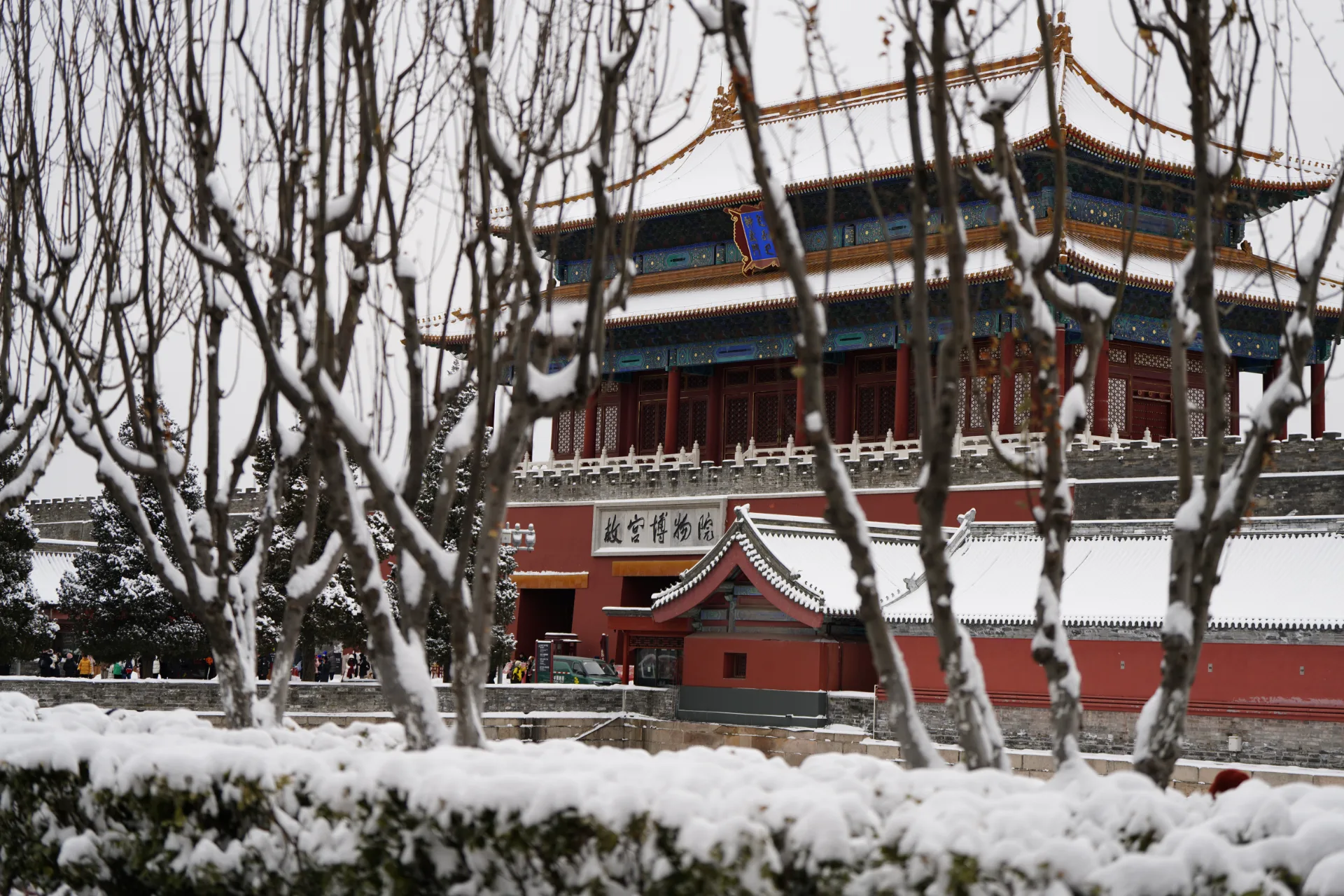 best test
Full Day (5h)
From (Per Person)
$110
Must-See Heritage
Full Day (8h)
From (Per Person)
$89
Must-See Landmarks
Top Attractions & UNESCO Sites in Beijing
Swipe to browse
4 Curated Attractions
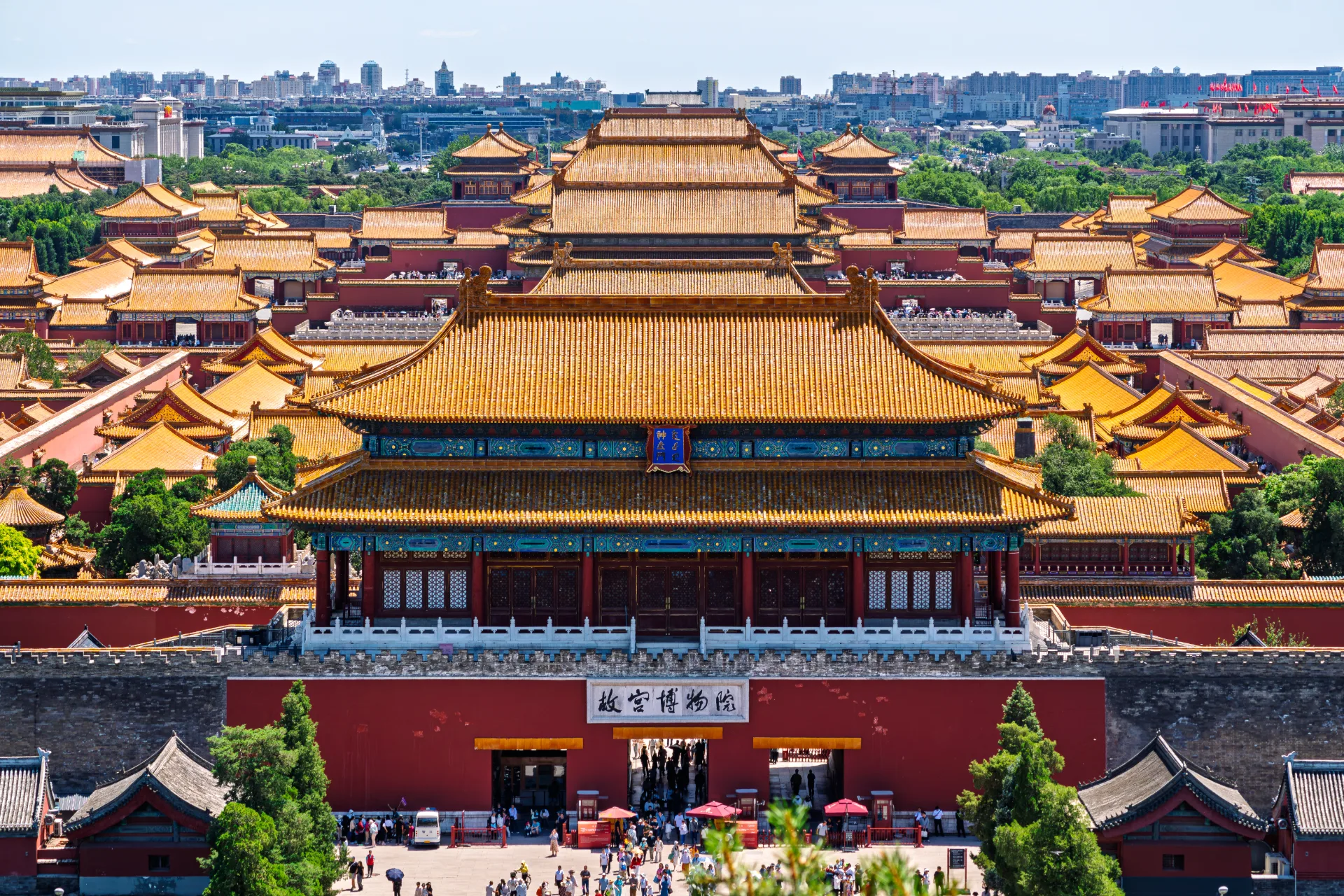 World Cultural Heritage/5A
1 Photos
¥60 (旺季) / 约 $8.5
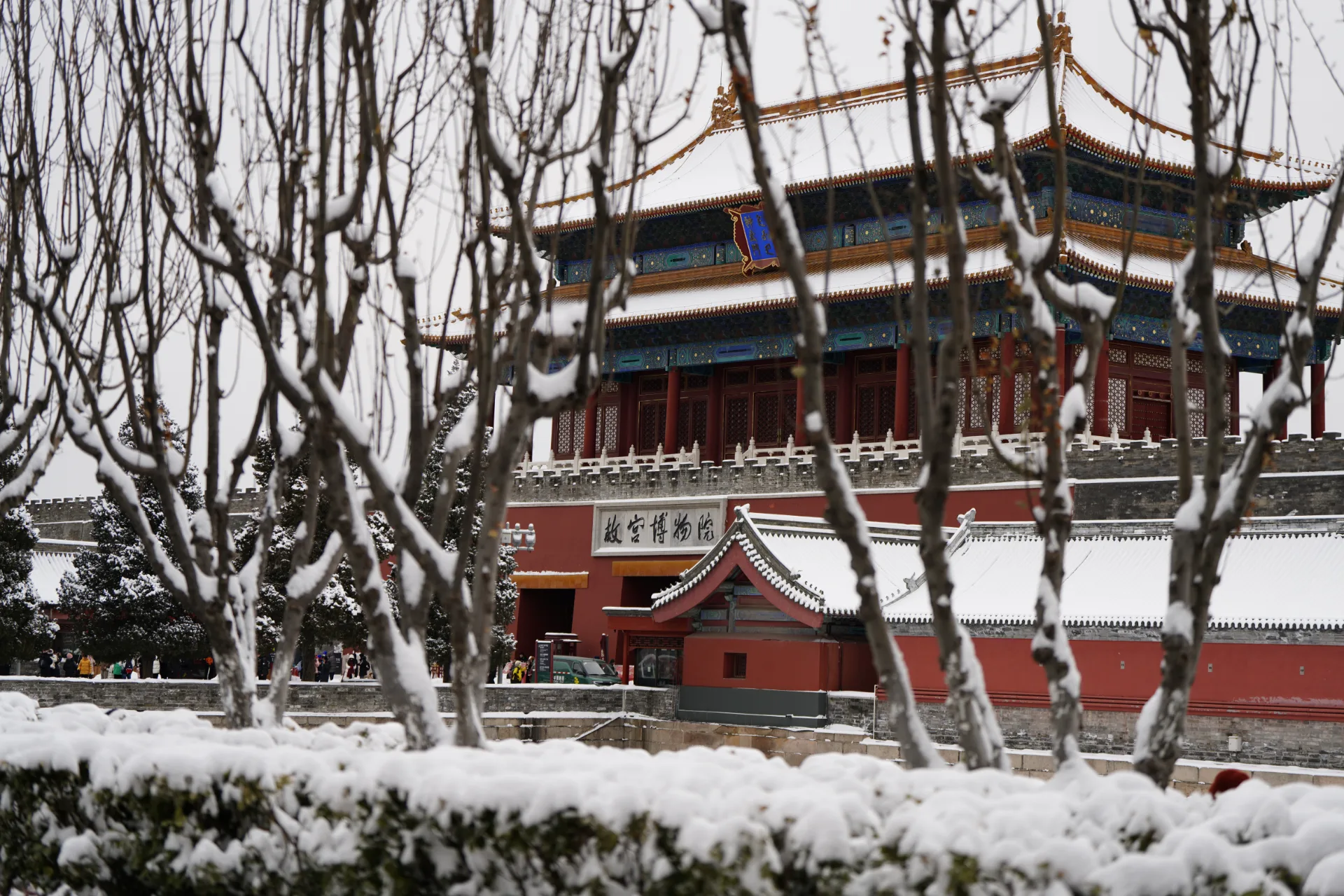
The Forbidden City / Palace Museum
UNESCO World Heritage • 600-Year-Old Imperial Palace of Ming and Qing Dynasties
The Palace Museum: A Cultural Sanctuary of Chinese Civilization Located in the heart of Beijing, the Palace Museum served as the imperial palace for emperors of the Ming and Qing dynasties. Construction began in 1406 and was completed in 1420. For nearly 500 years thereafter, 24 emperors resided and handled state affairs here. As the world’s largest and best-preserved ancient wooden palace complex, it was inscribed on the UNESCO World Heritage List in 1987. The Palace Museum: The Forbidden City Holds Cultural Heritage, Palaces Carry Civilization For many foreigners, the Palace Museum is first and foremost a magnificent palace. But for Chinese people and those familiar with Chinese culture, it is far more than that. It is a cultural sanctuary that encapsulates China’s 5,000 years of civilization, and a key to understanding Chinese people’s philosophy, aesthetics and way of life. The Forbidden City is also known as the "Forbidden City". In ancient Chinese astrology, the North Star sits at the center of the sky and was regarded as the residence of the Heavenly Emperor, known as the Purple Palace. Emperors called themselves “Sons of Heaven”, the children of the Heavenly Emperor. Therefore, the imperial palace on earth was built to mirror the Purple Palace in heaven. Since the compound was heavily guarded and off-limits to ordinary people, it was named the Forbidden City. After the fall of the Qing Dynasty, it was renamed the Palace Museum, which means “the former imperial palace”. Even from its names, we can see how closely the Palace Museum is linked to the Chinese view of the universe and spiritual beliefs. The Palace Museum Embodies the Chinese View of the Universe The overall design of the Palace Museum fully reflects the ancient Chinese philosophy of harmony between man and nature — the idea that humans and nature, humanity and the universe, should coexist in balance. All buildings of the Palace Museum are laid out along a north‑south central axis with bilateral symmetry. This axis coincides with the central axis of Beijing city, symbolizing that the emperor resided at the centre of heaven and earth, ruling the world on behalf of heaven. Great attention was also paid to architectural colours: yellow glazed roof tiles symbolize the earth and the centre; red palace walls stand for auspiciousness and vitality; blue plaques represent the sky. These colours are not merely decorations; they embody the ancient Chinese understanding of cosmic order. The Palace Museum is divided into two main sections: the Outer Court and the Inner Court. The Outer Court, located in the front, was where emperors held grand ceremonies and conducted state affairs. The Inner Court, at the rear, served as the living quarters for the emperor, empress and concubines. This layout of front court, rear chambers reflects the ancient ritual principle that state affairs come before family life, and reveals how the Chinese understood the relationship between public and private spheres. The Palace Museum: A Treasure House of Art More than merely an architectural complex, the Palace Museum is also a vast art museum. The Palace Museum houses over 1.8 million cultural relics, including paintings and calligraphy, ceramics, bronze ware, clocks, treasures, ancient books and archives. Many of them are unique national treasures. These collections were inherited from imperial collections of successive dynasties, spanning more than 5,000 years. They range from jade artifacts of the Neolithic Age, paintings and calligraphy of the Tang and Song dynasties, porcelain of the Ming and Qing dynasties, covering almost every important era of Chinese art. Through these relics, visitors can understand the aesthetic pursuits, craftsmanship and spiritual world of the Chinese people. For example, traditional Chinese painting emphasizes artistic conception. Instead of rigid realism, it uses brush and ink to convey the painter’s emotions and thoughts. Chinese porcelain pursues a texture "warm and smooth like jade", showing the Chinese admiration for subtle and restrained beauty. Decorative patterns on bronze vessels reflect ancient people’s awe of heaven, earth and deities. Behind every single relic lies a Chinese story. The Palace Museum: A Microcosm of Life The Palace Museum also serves as a window into ancient Chinese imperial court life. Where emperors held court, studied, dined and rested; how the empress and concubines lived; what festivals, celebrations and rituals were held within the palace — all these details together form a vivid historical panorama. Through the Palace Museum, visitors can sense that the emperor was not merely a political leader, but also a symbol of culture and etiquette. From Imperial Palace to the People’s Museum On October 10, 1925, the Palace Museum was officially founded. The once heavily guarded imperial palace opened its gates to ordinary people for the first time. Today, the Palace Museum serves not only as an important carrier of Chinese civilization, but also as a cultural bridge linking China with the rest of the world. Its transformation from an imperial palace to a museum for the people bears witness to tremendous changes in Chinese history. It continues to show the world the profound heritage and timeless charm of Chinese culture. Every year, more than ten million visitors from all over the world come to the Palace Museum to experience the unique appeal of this 600 years old palace.
 World Cultural Heritage/5A
1 Photos
US$7( Ticket)+ US$21(Cable car)
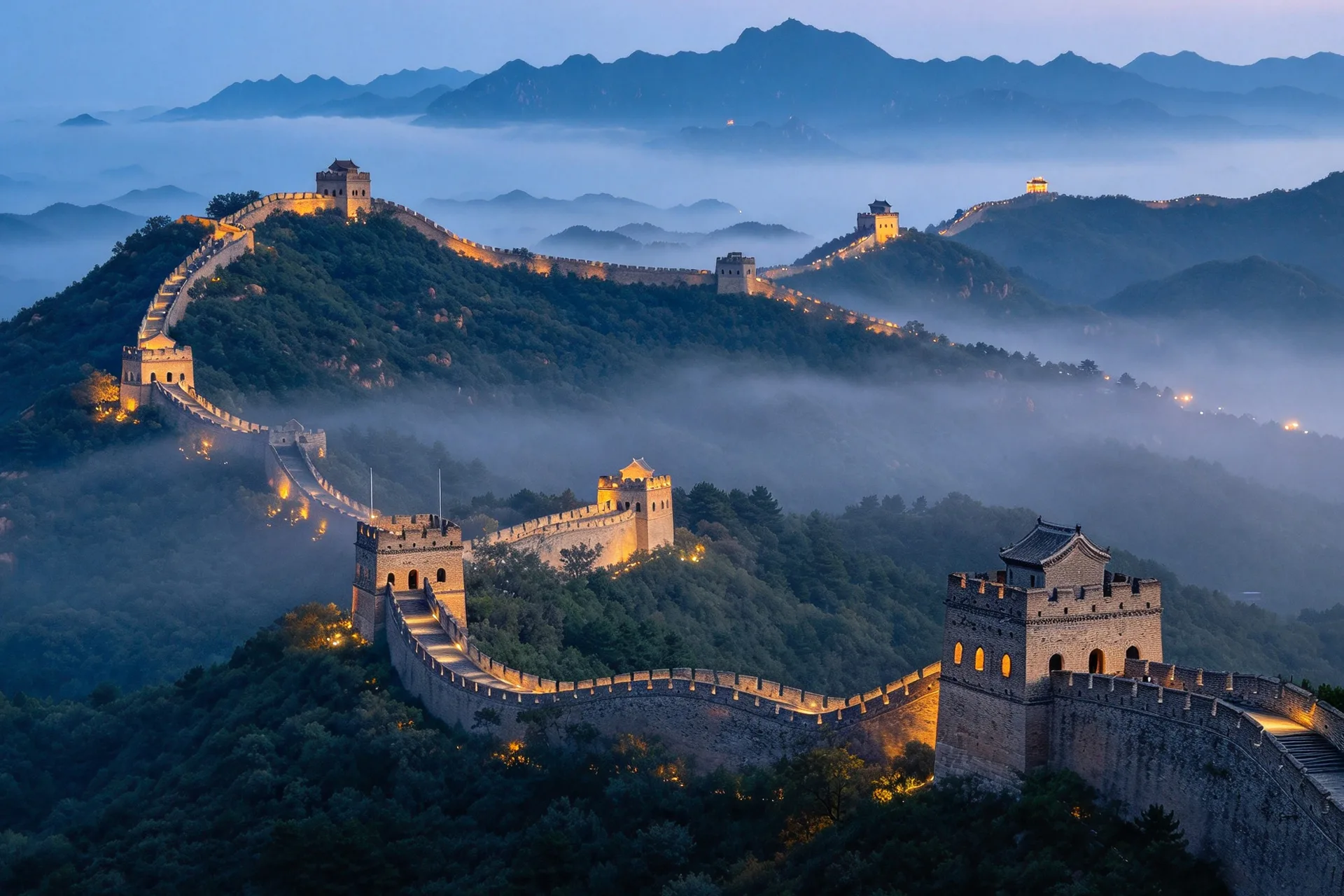
Mutianyu Great Wall
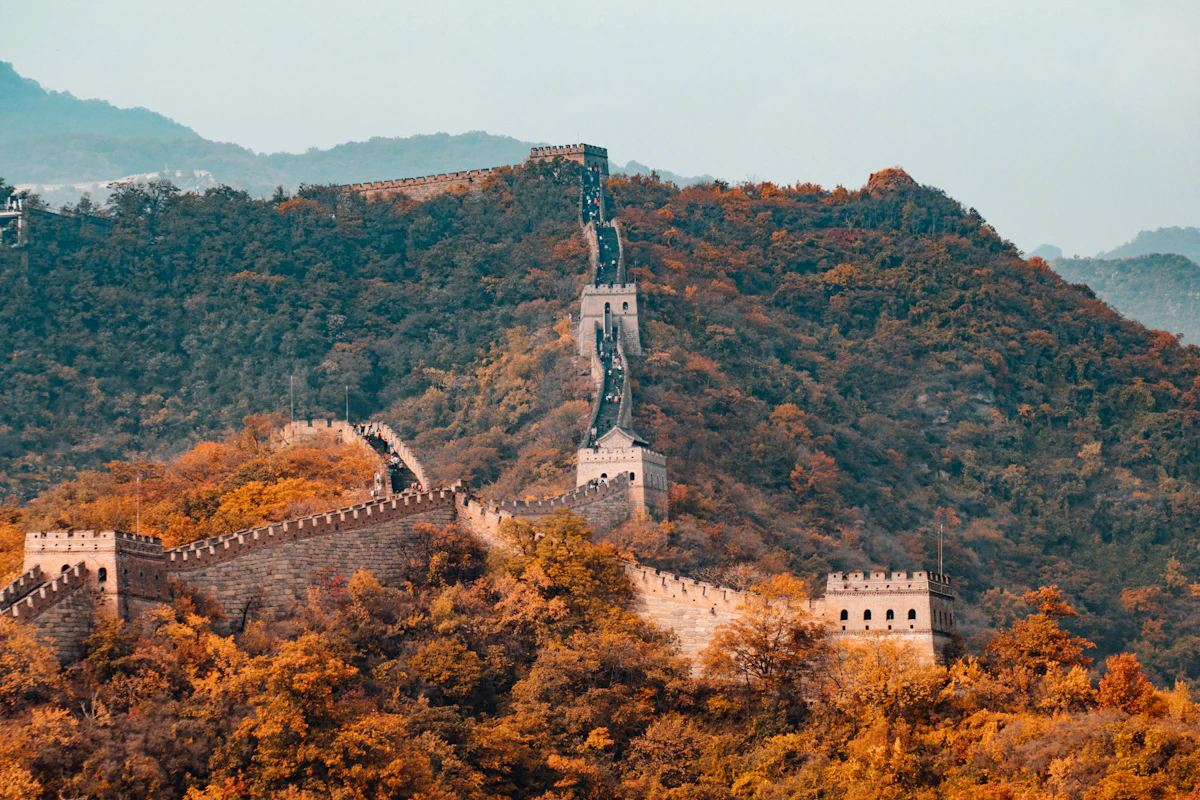
Mutianyu Great Wall: A Cultural Symbol of China’s Great Wall.
Mutianyu Great Wall: A Cultural Symbol of China’s Great Wall The Mutianyu Great Wall lies in Huairou District, Beijing, about seventy kilometres from the city centre. It is one of the best‑preserved and most representative sections of the surviving Ming Great Wall. In 1987, it was inscribed on the UNESCO World Heritage List. For many foreigners, Mutianyu is first and foremost a magnificent ancient wall. But for those familiar with Chinese culture, it is far more than that. It is a key to understanding how the Chinese viewed defence, order and peace. Present-day Mutianyu The Mutianyu Great Wall officially opened to the public in 1988. Today, it serves not only as a vital window for global visitors to understand Chinese culture, but also as a urban oasis for Beijing residents to get close to nature. With a vegetation coverage rate of over 96%, Mutianyu boasts distinct scenery in four seasons: blooming mountain flowers in spring, lush greenery in summer, red foliage covering the mountains in autumn, and pure white snow in winter. UNESCO has inscribed the Great Wall as a World Cultural Heritage, and Mutianyu is widely recognized as its most beautiful section. Standing on the Mutianyu Great Wall, visitors witness not merely a stretch of wall, but rather the enduring pursuit of a civilization for security, order, and peace.
 5A级景区 / 世界文化遗产
3 Photos
¥30 / 门票 (约 $4.5)
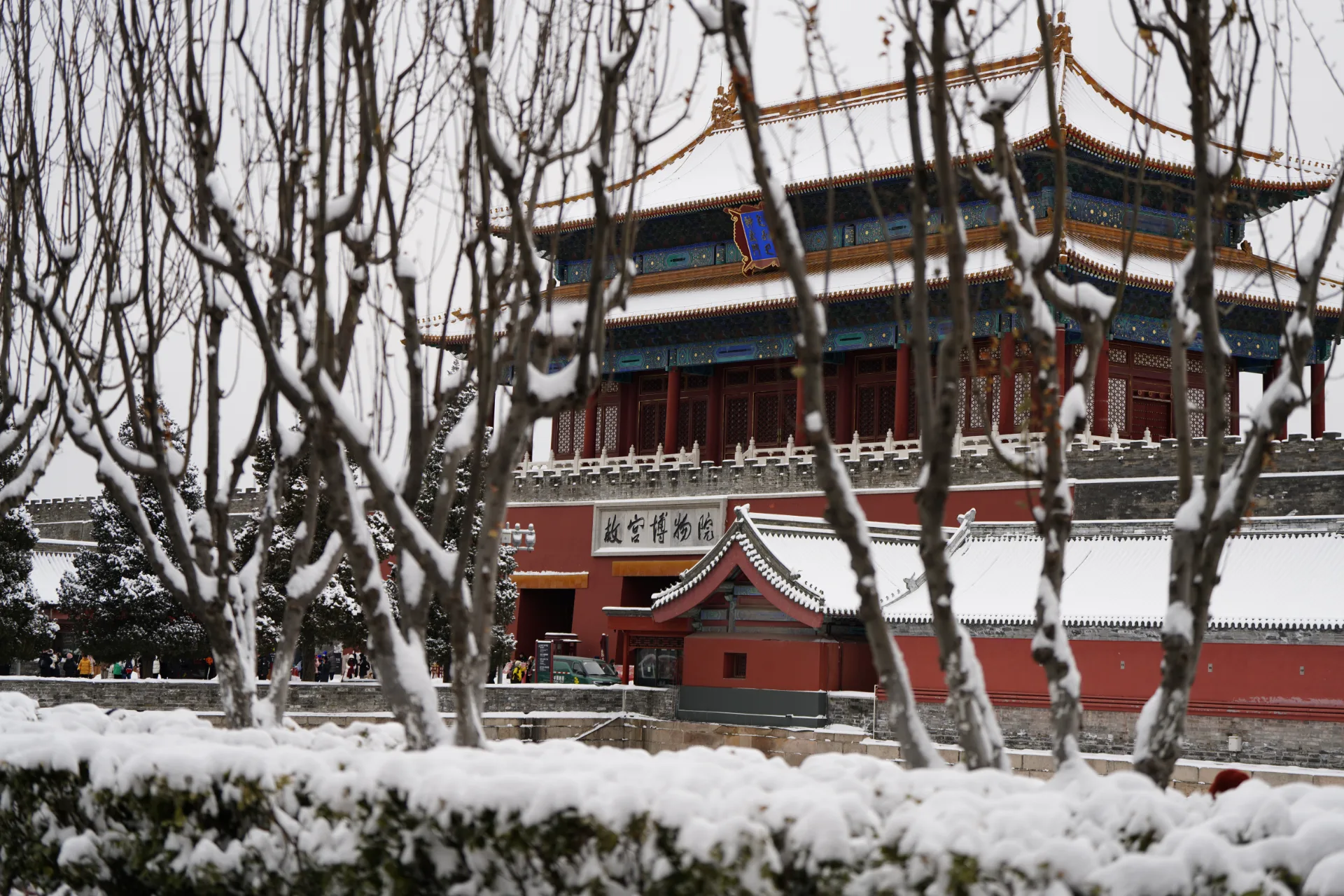
The Summer Palace (颐和园)
UNESCO World Heritage • China's Largest and Most Magnificent Royal Imperial Garden
Centering on Kunming Lake and Longevity Hill, this sprawling royal retreat combines classical pavilions, the 728-meter Long Corridor, and graceful Seventeen-Arch Bridge.
 5A级景区 / 世界文化遗产
3 Photos
¥60
test abc
light a light b
test beijing
Where to Stay
Curated Luxury & Heritage Hotels in Beijing
Swipe to browse
View All Beijing Hotels (4)
 5 ★ Luxury
3 Photos
Verified 5-Star Partner
$2000 - $3000 / night
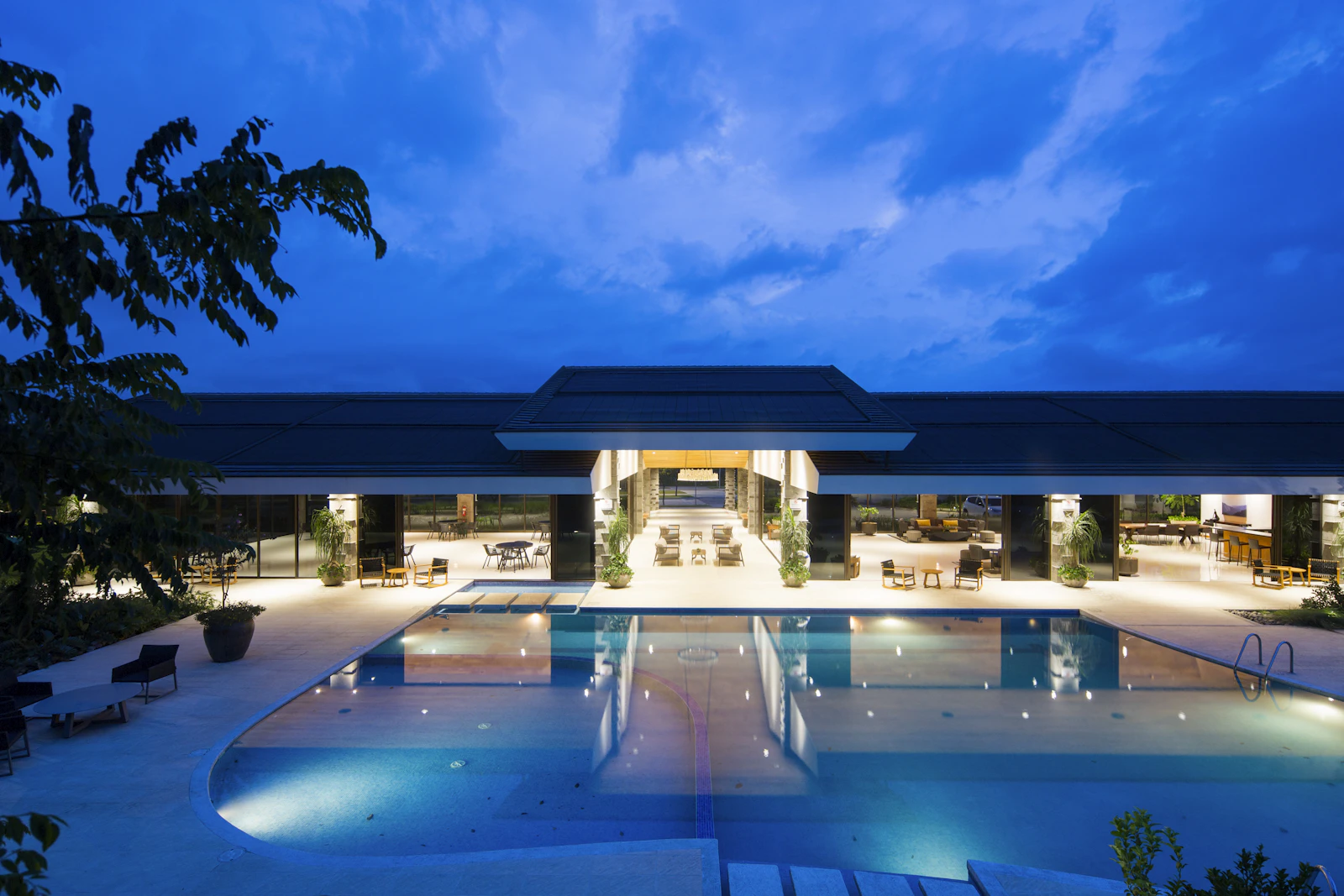
The beijing hotel luxury
vbery good hotel
High-Speed Wi-Fi
Breakfast
24h Concierge
 5 ★ Luxury
6 Photos
Verified 5-Star Partner
$550 - $950 / night
Aman Summer Palace Beijing (北京颐和安缦酒店)
Housed in traditional heritage pavilions originally used by guests awaiting audience with the Empress Dowager Cixi. Features exclusive private access to the Summer Palace grounds.
High-Speed Wi-Fi
Breakfast
24h Concierge
 5 ★ Luxury
7 Photos
Verified 5-Star Partner
$360 - $550 / night
The Peninsula Beijing (北京王府半岛酒店)
Palatial all-suite luxury in the heart of Beijing near the Forbidden City
Combining timeless Chinese artistry with peerless Peninsula hospitality, this premier all-suite hotel features palatial guest rooms, Michelin-starred French and Cantonese dining, and a tranquil spa in central Wangfujing.
High-Speed Wi-Fi
Breakfast
24h Concierge
5 ★ Luxury
3 Photos
Verified 5-Star Partner
$320 - $580 / 晚 (¥2,200 - ¥4,000)
Waldorf Astoria Beijing (北京华尔道夫酒店)
Timeless Glamour Meets Historic Siheyuan Hutong Courtyard Suites in Wangfujing
Located along dynamic Wangfujing, blending sophisticated modern tower accommodations with historic Ming Dynasty-style bronze and courtyard villa wings.
High-Speed Wi-Fi
Breakfast
24h Concierge
Signature Master Routes
View All Long-haul Tours
Multi-City Tours Including Beijing
From $1299
View Itinerary
From $1299
View Itinerary
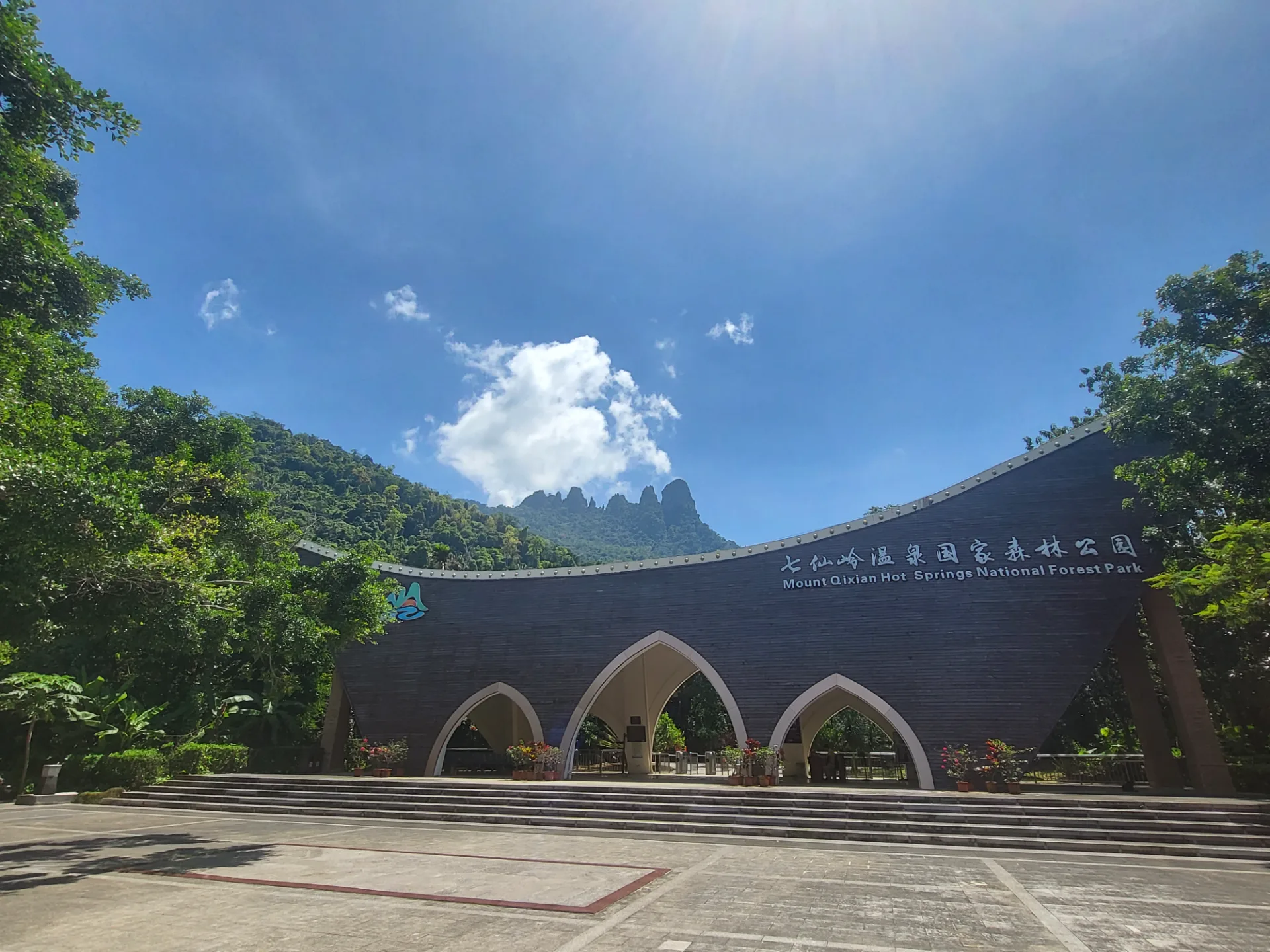
TC-102 • 11 Days
Splendors of China: Karst Mountains & Pandass
Our most popular comprehensive China tour.
From $1890
View Itinerary

TC-104 • 11 Days
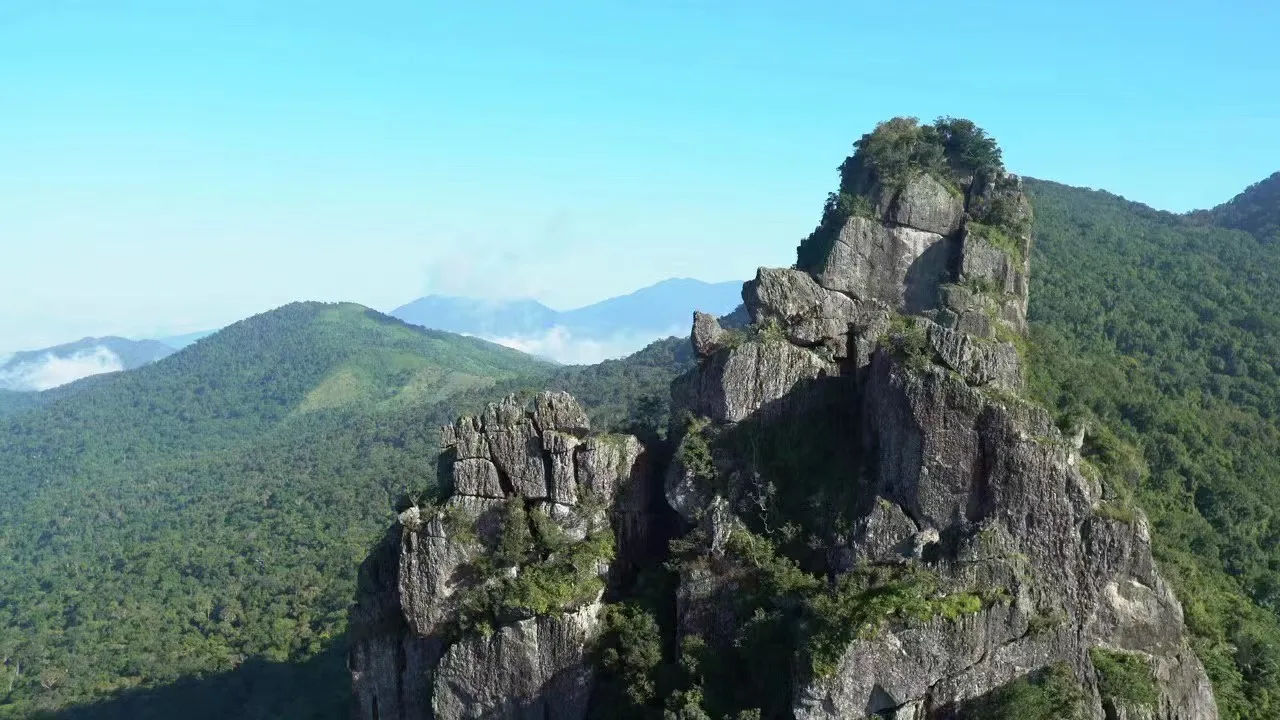
Avatar Mountains & Yangtze River Luxury Cruise
Avatar floating quartzite pillars and 5-star balcony cruise.
From $1820
View Itinerary
Licensed Historians
Multilingual Certified Guides in Beijing
Swipe to browse
2 Licensed Guides

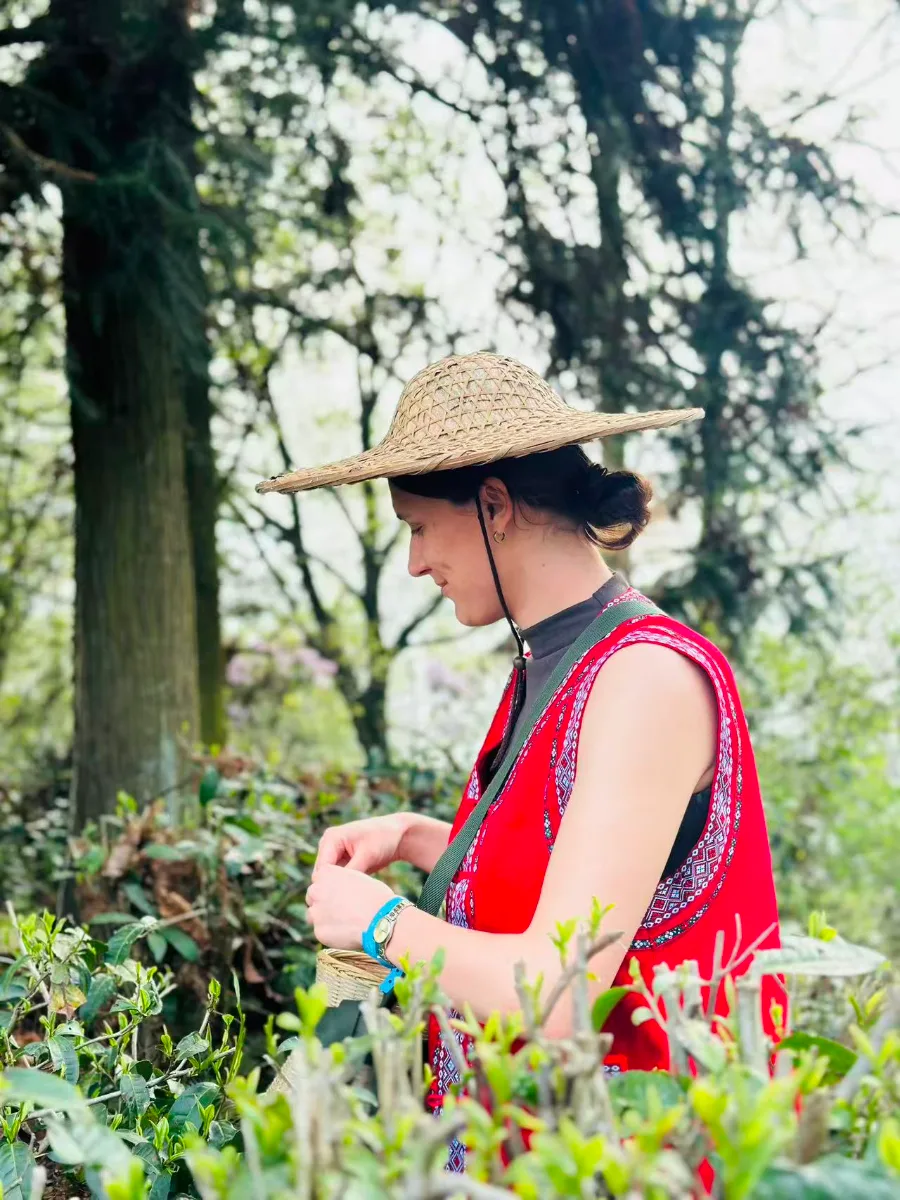
davis du
Senior National Tour Guide
Languages: English, Mandarin
Experience: 5 Years
Daily Rate: $200/day
 管理圆
test1023beijing
Senior National Tour Guide
Languages: English (Fluent), Mandarin (Native)
Experience: 8 Years
Daily Rate: $300/day
Authentic Gastronomy
Authentic Local Dining & Food Map in Beijing
Swipe to browse
3 Culinary Landmarks
 ⭐ 米其林推荐 / 国家特级酒家
3 Photos
$100 - $180 / 人 (¥700 - ¥1,300)
素食养生 / 清真风味 (Vegetarian & Halal Specialties)
King's Joy Beijing (京兆尹 • 雍和宫总店)
3 Michelin Stars & Michelin Green Star • World-Renowned Vegetarian Fine Dining by Lama Temple
Must-Try Specialties:
黑松露鲜松茸配鲜百合、糖醋素排骨、宫廷豌豆黄、古树普洱茶汤
English Menu
Vegetarian
Vegan Options
🏆 中华百年老字号 / 非物质文化遗产
3 Photos
$30 - $55 / 人 (¥200 - ¥380)
北京烤鸭 / 宫廷鲁菜 (Beijing Duck & Imperial Cuisine)
Quanjude Peking Duck (全聚德烤鸭店)
Time-Honored Imperial Roast Duck with 160 Years of Heritage
Must-Try Specialties:
挂炉烤鸭配荷叶饼 (Crispy Roast Duck with Handmade Pancakes), 鸭架浓汤 (Duck Bone Soup), 芥末鸭掌 (Mustard Duck Web), 宫保鸡丁 (Kung Pao Chicken)
English Menu
English Menu Available
Non-Spicy Options
 💎 黑珍珠一钻 / 高端江景餐厅
2 Photos
$28 - $45 / 人 (¥180 - ¥300)
北京烤鸭 / 宫廷鲁菜 (Beijing Duck & Imperial Cuisine)
Siji Minfu Roast Duck (四季民福烤鸭店 • 故宫东华门景观店)
Sensational Crispy Skin Peking Duck with Direct Views of the Forbidden City Corner Watchtower
Must-Try Specialties:
特选酥香嫩烤鸭配空心芝麻烧饼、老北京炸酱面、巧拌豆苗、宫保鸡丁
English Menu
English Menu Available
Forbidden City View
Essential Intelligence
Read All Insights
Travel Guides & Practical Insights for Beijing
test123